
Infrastructure management
Lifecycle, capacity, automation - and clear ownership. When those three line up, the estate does not quietly drift into chaos.
We design and deliver IT estates for Nordic organisations: networks, identity, interfaces, automation and monitoring - anchored in what you already run, not a single-vendor template. We pay particular attention where traffic and routing tie directly to whether users see a working service. Mistakes are expensive quickly.
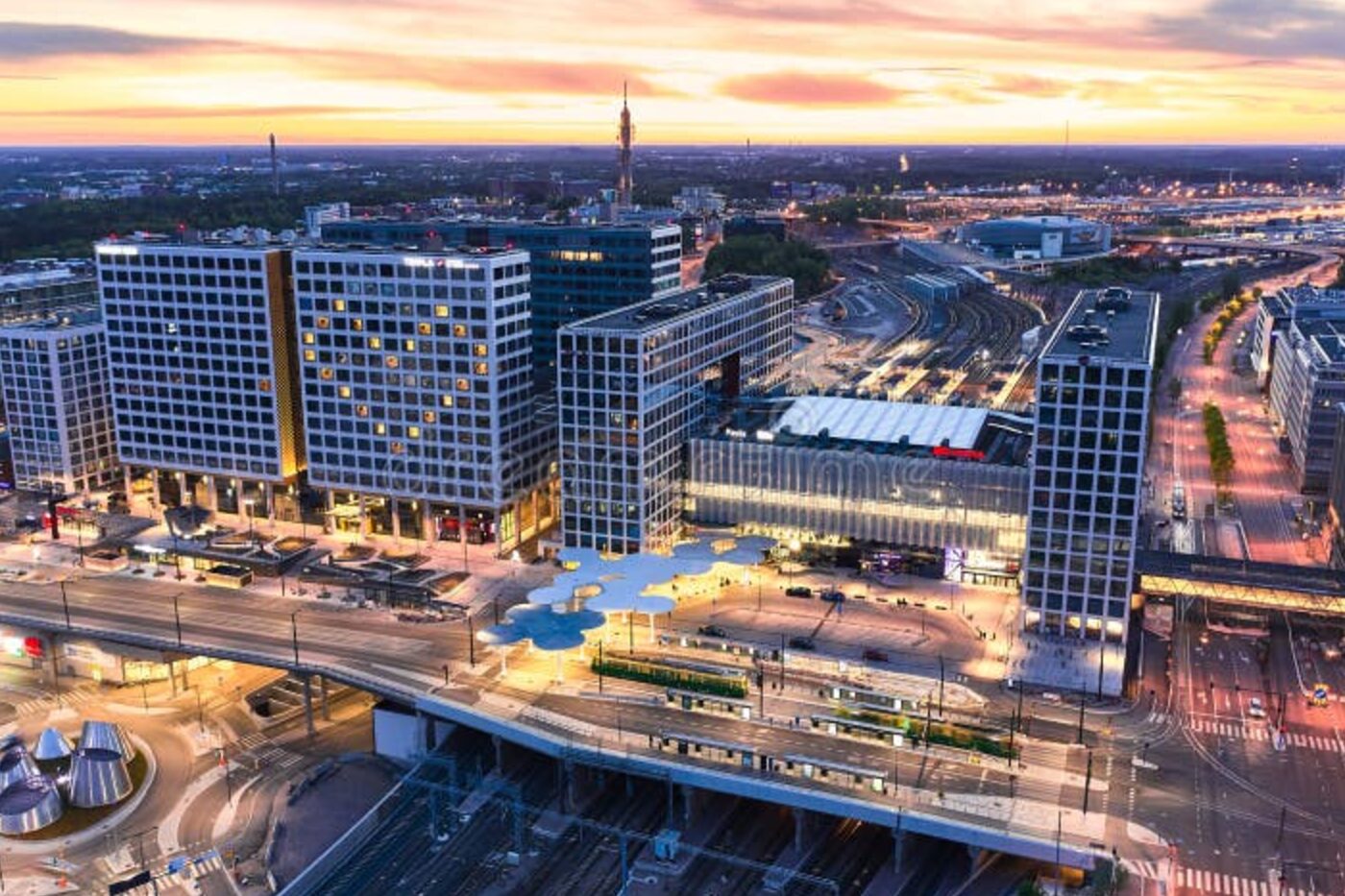
Network, servers or cloud, interfaces and monitoring should be planned as one story, not a string of unrelated projects. That does not mean “everything at once” — it means clear boundaries and a sensible order. Below are six areas; the deeper write-up is on Services.
Lifecycle, capacity, automation - and clear ownership. When those three line up, the estate does not quietly drift into chaos.
Service map, security zones and dependencies: decisions that survive the next generation of upgrades and new integrations.
APIs, events, queues and identity. In practice that also means error paths: retries, idempotency and a log trail you can follow - not “copy-paste fixes” in production. Older platforms often stay alongside new work; we plan for that instead of pretending they vanish.
Metrics, logs and alerts; SLO targets with an owner.
The point is to see production - not to add charts because someone asked for “more dashboards”.
BGP, edge work, paths. Multi-vendor? See Network.
Segmentation, logging and least privilege form the carrying layer before the application layer grows. The best outcome here is boring: fewer surprises at two in the morning.
From the data centre to identity and backups: one partner can take architecture through rollout if that suits you — without forcing you to grow the internal team in every direction at once.
Networks, data centres (including colocation and remote hands), technical service management and Microsoft 365 — practical depth and a documented way of working.
Network, data-centre, backup and DR estates: transparency, automation and lifecycle.
We start with discovery: what systems do today, where integrations attach, what is measured and where documentation actually lives. After that we implement change in controlled steps — so both development and operations stay aligned.
Customer focus for us is concrete: less noise, more measurable improvement, and costs sized to real need without hidden surprises.
We do not sell one “package for everything”. We build what works in your environment and leave out the rest.